[ sector expertise ]■
Technology & Media
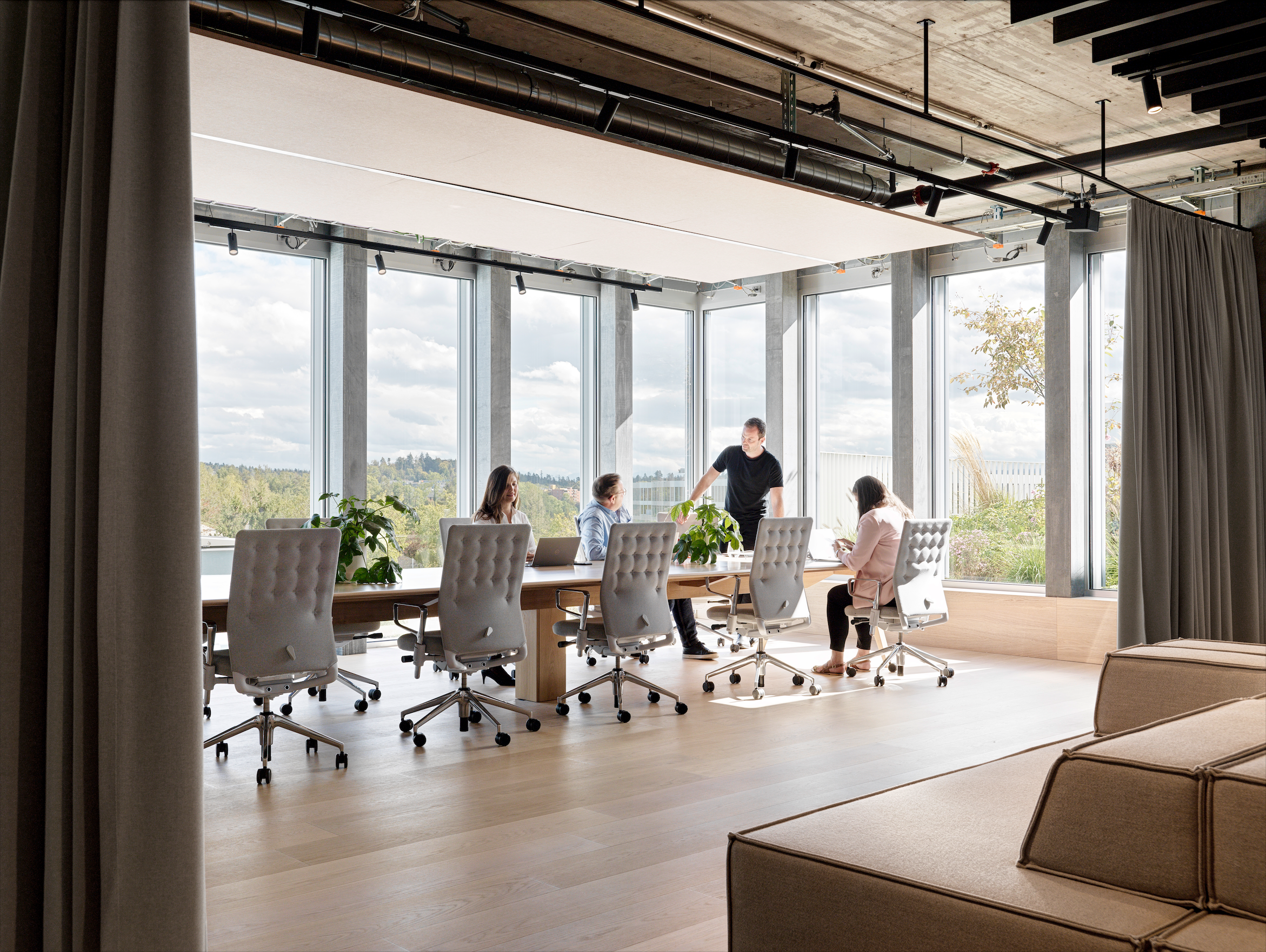
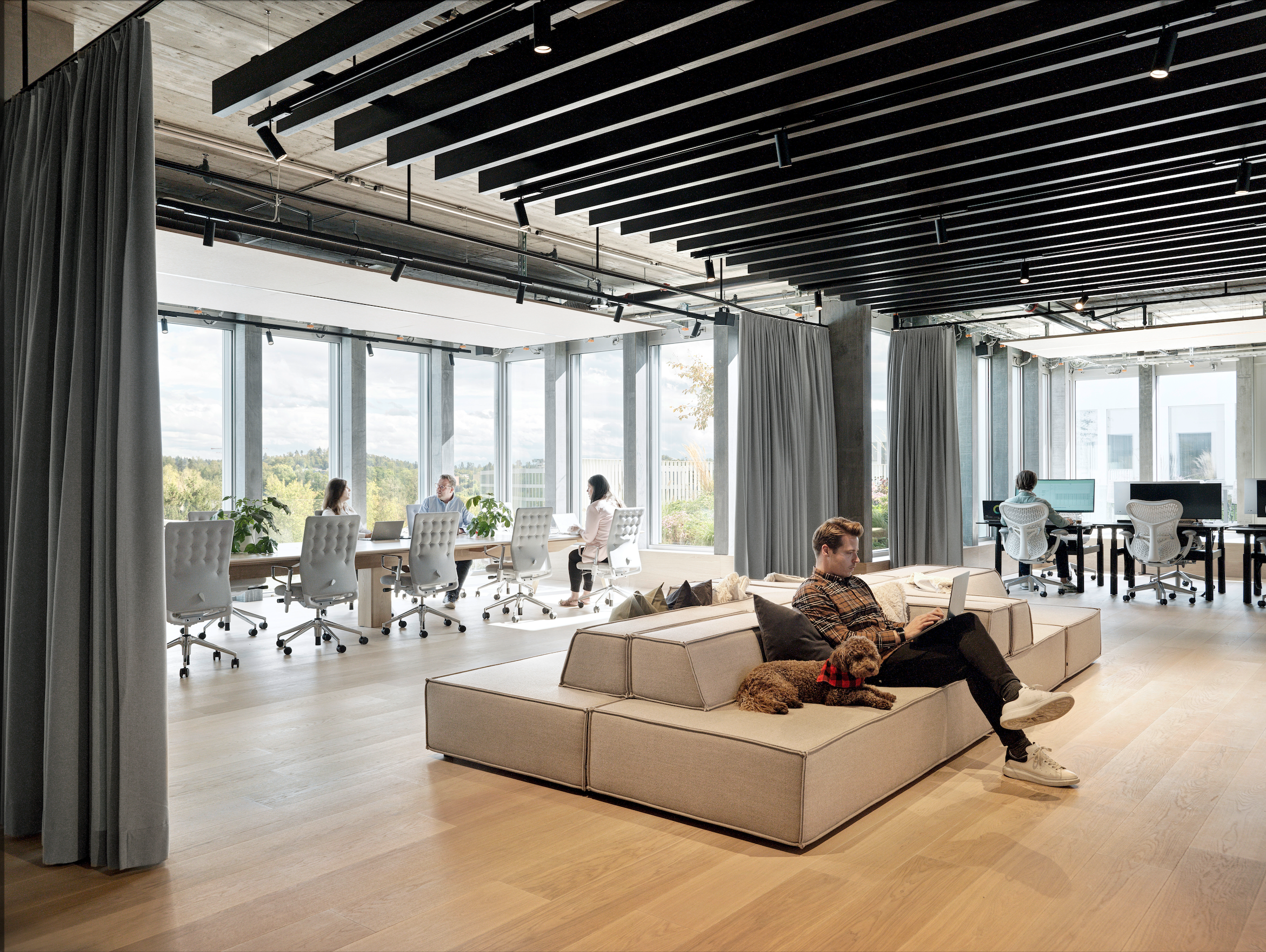
Technology and media organisations do not build offices. They build cultures, infrastructure and competitive advantage - and the workplace is where all three converge.
From creative agencies and high-growth technology platforms to artificial intelligence businesses and digital intelligence companies, technology and media clients demand project advisors who can match their pace, understand their infrastructure, and deliver environments that perform as ambitiously as the organisations within them. We have been doing exactly that.
Clients advised by our DirectorsLOGRHYTHM
ZOOM
BADOO
DROGA5
STARLIZARD
JUNGLE
[ sector insights ]■
The Sector
In technology and media, the workplace is simultaneously a talent argument, an infrastructure decision, and a cultural statement. Getting any one of them wrong is expensive.
Technology and media organisations face a workplace challenge that is structurally different from most other sectors — not because the scale is greater, but because the number of things that must be right simultaneously is higher.
The environment must function as a talent tool in a market where competition for exceptional people is relentless and the alternatives are always visible. It must accommodate technical infrastructure that in some cases - particularly in artificial intelligence, digital intelligence and advanced technology businesses — is categorically more demanding than anything a conventional commercial fit-out is designed to support. And it must express, convincingly and consistently, what the organisation stands for - because in a sector where culture is both a commercial asset and a recruitment argument, a workplace that feels generic or disconnected from the organisation's identity carries a real cost.
The emergence of artificial intelligence as a dominant force in the technology sector has added a further dimension to this challenge. AI businesses and the organisations integrating AI into their core operations are building workplaces at a frontier where the infrastructure requirements - power density, cooling capacity, network resilience, the security provisions around proprietary model development and sensitive data - go well beyond what a standard technology brief demands. They are also building them quickly, in organisations that are growing rapidly and whose spatial requirements are evolving faster than most project programmes are designed to accommodate.
Across all of these environments, the project manager's role requires the same combination of qualities: cultural intelligence alongside commercial rigour, programme agility alongside delivery discipline, and the technical literacy to hold a complex brief on behalf of a client whose internal real estate resource is rarely proportionate to the ambition of the project they are undertaking.
That combination is rarer than it sounds. We have built it across a decade of technology and media appointments.
[ HIGHLIGHTS ]■
What we bring to technology and media projects
AI, advanced technology and security-sensitive environments
The infrastructure requirements of artificial intelligence, digital intelligence and advanced technology businesses go well beyond what a conventional technology fit-out demands. High-density power provision, specialist cooling, resilient connectivity and the security provisions around proprietary model development, sensitive data and classified digital intelligence operations must be embedded in the brief from the outset - not introduced as late-stage additions that disrupt programme and inflate cost. We work with technology clients operating at this frontier, bringing the technical literacy and security awareness to hold a complex brief with authority through procurement and delivery.
Cultural intelligence alongside commercial rigour
Technology and media clients need a project manager who understands that the brief is cultural as much as spatial - that the design decisions being made will shape how people feel about coming to work and how the organisation presents itself to the talent it is trying to attract. We engage with technology and media briefs at that level, while bringing the commercial and contractual discipline to ensure that the culture being designed is the culture that actually gets built.
Programme agility without compromise
Technology and media organisations move fast. Headcount changes. Priorities shift. AI businesses in particular are scaling at rates that can make a spatial assumption obsolete within a single project cycle. We design programmes that are deliberately robust to change - identifying the decisions that must be locked early and protecting the flexibility that allows everything else to evolve without derailing a handover date that rarely moves.
Brand and creative identity through delivery
Technology and media clients have a fiercely held sense of how their brand should be expressed in their physical environment. That creative intent must be protected through procurement, through value engineering discussions, and through the contractor relationship - because the moment it is treated as negotiable is the moment the project stops delivering what it was designed to achieve. We act as the guardian of design intent throughout delivery, ensuring that what was designed is what gets built.
[ the difference ]■
The technology sector moves faster than most project managers can adapt to. The infrastructure demands of AI and advanced technology environments, the security requirements of digital intelligence businesses, the cultural expectations of organisations where the workplace is a talent argument - these are not things we have read about. They are things we have navigated, on behalf of clients who had no interest in waiting for their advisor to catch up.
[ Articles, insights, press & media ]■
Insights
Thinking that goes beyond the project.